
Local knowledge
Why Southwest Edmonton homeowners choose IronWrap
The Southwest spans established and new. On the established side, Riverbend — Rhatigan Ridge, Brookside, Falconer Heights, Henderson Estates — was built through the 1980s and 90s as upscale family housing along the Whitemud Creek ravine. On the new side, Windermere, Ambleside, Magrath, Rutherford, Allard and Glenridding have gone up since the early 2000s, full of executive estate homes near the river and Anthony Henday.
These are not simple gable roofs. Southwest homes tend to have multiple intersecting rooflines, dormers, turrets, and large surface areas — which is exactly where quality custom sheet metal fabrication separates a good install from a leak-prone one. Every valley, chimney cricket and transition is brake-formed on site to fit.
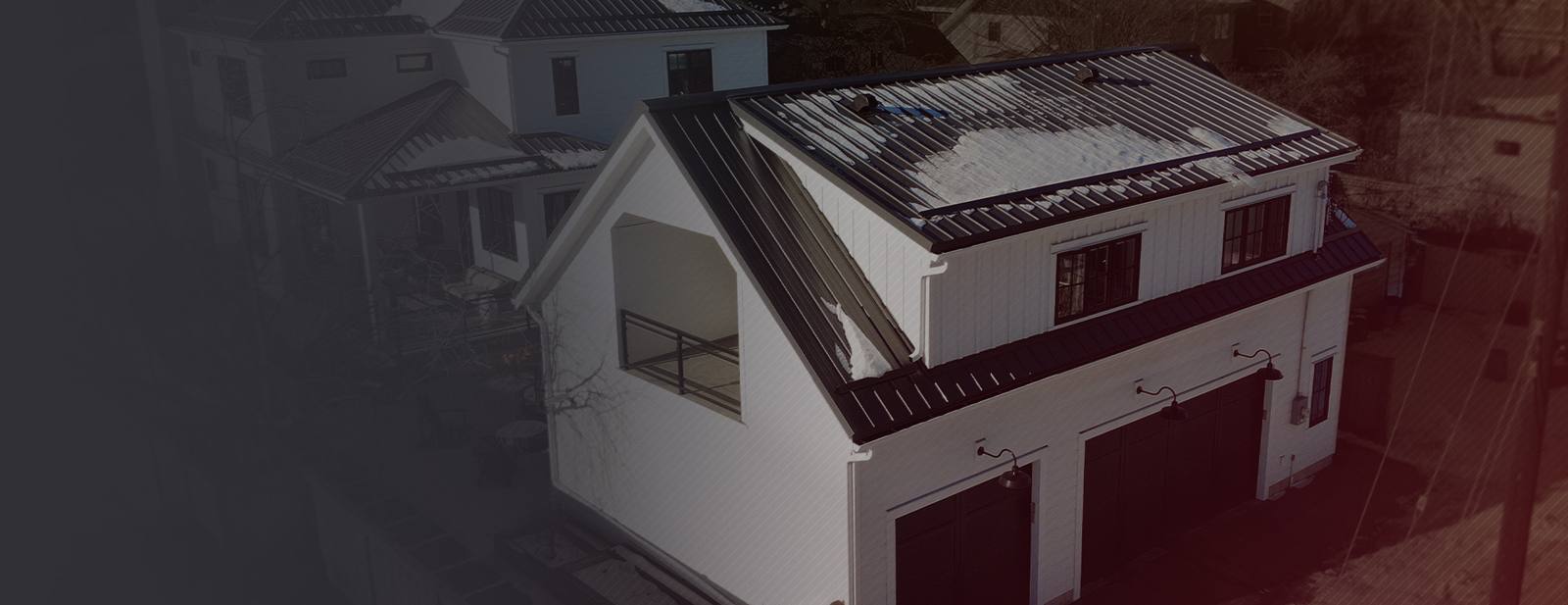
Standing seam in matte black or charcoal dominates the new-build streets; it reads as modern and architectural, which suits the contemporary and modern-farmhouse styles out here. On the more traditional Riverbend homes, metal shingles and European tile preserve character while delivering the same 50-year performance.
If you're comparing the three metal profiles for a Southwest home, our standing seam vs metal shingles vs tiles guide breaks down which suits which architecture, with cost ranges for each.
What we see on Southwest Edmonton roofs
The specifics that matter here
Large, complex rooflines
SW estates routinely have multiple intersecting slopes, dormers and turrets. Custom on-site flashing fabrication is essential — off-the-shelf parts don't fit these roofs.
Architecture-led profile choice
Modern Windermere and Ambleside builds suit standing seam; traditional Riverbend homes suit metal shingles or tile. We match the profile to the house, not the other way around.
High resale stakes
In a quadrant where homes trade at a premium, a lifetime metal roof is a documented selling feature. Buyers here specifically value not inheriting a roof problem.