
Local knowledge
Why The Hamptons homeowners choose IronWrap
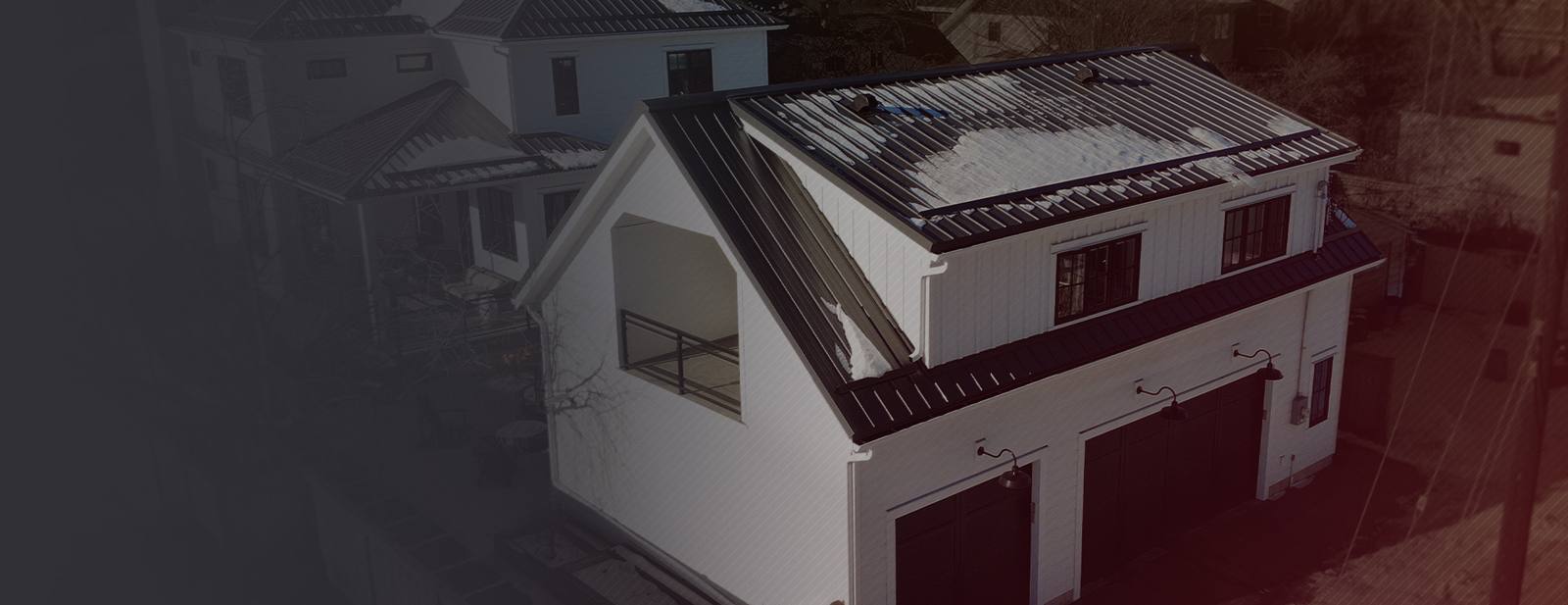
The Hamptons went up through the 2000s and into the 2010s as classic newer-Edmonton family housing — modern two-storeys with attached garages, on a planned street grid near the western edge of the city. The roofs are typically straightforward modern shapes, and the asphalt they came with was usually builder-grade, meaning it's wearing out ahead of the lifespan most owners expected. That's the first-replacement conversation that defines the neighbourhood.
For these homes, the smart move on the first replacement is to skip the second asphalt cycle and go straight to metal roofing. Standing seam in matte black or charcoal is the natural fit for the modern architecture; metal shingles are the more affordable alternative. Either way it's a one-time upgrade rather than a recurring expense.
Like the rest of the far west, The Hamptons sits in open, wind-exposed territory near the Henday, and concealed-fastener standing seam handles that wind far better than asphalt. Hail-rated metal also ends the insurance-claim cycle that catches so many newer subdivisions after a storm.
The Hamptons pairs with neighbouring Lewis Estates and the wider West Edmonton market — all newer communities hitting the same first-replacement window, all served from our 180 Street shop.
What we see on The Hamptons roofs
The specifics that matter here
Builder asphalt failing early
The Hamptons' 2000s-era roofs came with builder-grade asphalt that's wearing out ahead of schedule. First replacement is the moment to go metal and stop the cycle.
Modern shapes suit standing seam
Straightforward modern two-storey roofs are a clean fit for standing seam in matte black or charcoal — the default contemporary Edmonton look.
Wind and hail at the city's edge
Open far-west exposure near the Henday means real wind, and Alberta hail is a constant. Concealed-fastener, hail-rated metal handles both where asphalt struggles.